Postmenopause and exercise: why the years after matter most
Postmenopause is when the consequences of estrogen loss compound. Strength training after 55 protects bones, muscle, balance, and independence.
Last updated
The short answer
Why is exercise important after menopause? In postmenopause, the protective effects of estrogen are permanently gone. Bone loss continues at 1–2% per year, muscle mass declines 1.5–2% per decade, and fall risk rises as balance and proprioception deteriorate. Resistance training directly addresses all three: it stimulates bone remodeling, maintains or builds lean mass, and improves neuromuscular coordination that prevents falls.
What is postmenopause?
Postmenopause is the phase that begins after 12 consecutive months without a menstrual period and lasts for the rest of a woman's life. Vasomotor symptoms (hot flashes, night sweats) often diminish, but the musculoskeletal and metabolic effects of estrogen loss continue and compound.
The most significant long-term risks in postmenopause are osteoporotic fracture, sarcopenia-driven disability, cardiovascular disease, and cognitive decline. All four are modifiable with exercise — particularly resistance training.
What happens to bones and muscles after menopause?
Bones: The rapid bone loss of the first 5–7 menopausal years slows to about 1–2% per year, but it never stops. By age 65, a woman may have lost 20–30% of her peak bone mass. Hip and vertebral fractures become the primary concern — hip fractures carry a 20% one-year mortality rate in women over 65.
Muscle: Sarcopenia accelerates. Without resistance training, women lose approximately 1.5–2% of lean mass per decade after 50. This loss is not cosmetic — it directly reduces metabolic rate, impairs balance, and increases fall risk.
Balance and proprioception: The combination of muscle loss, reduced joint proprioception, and potential vision changes makes falls the leading cause of injury-related death in women over 65.
How should you train in postmenopause?
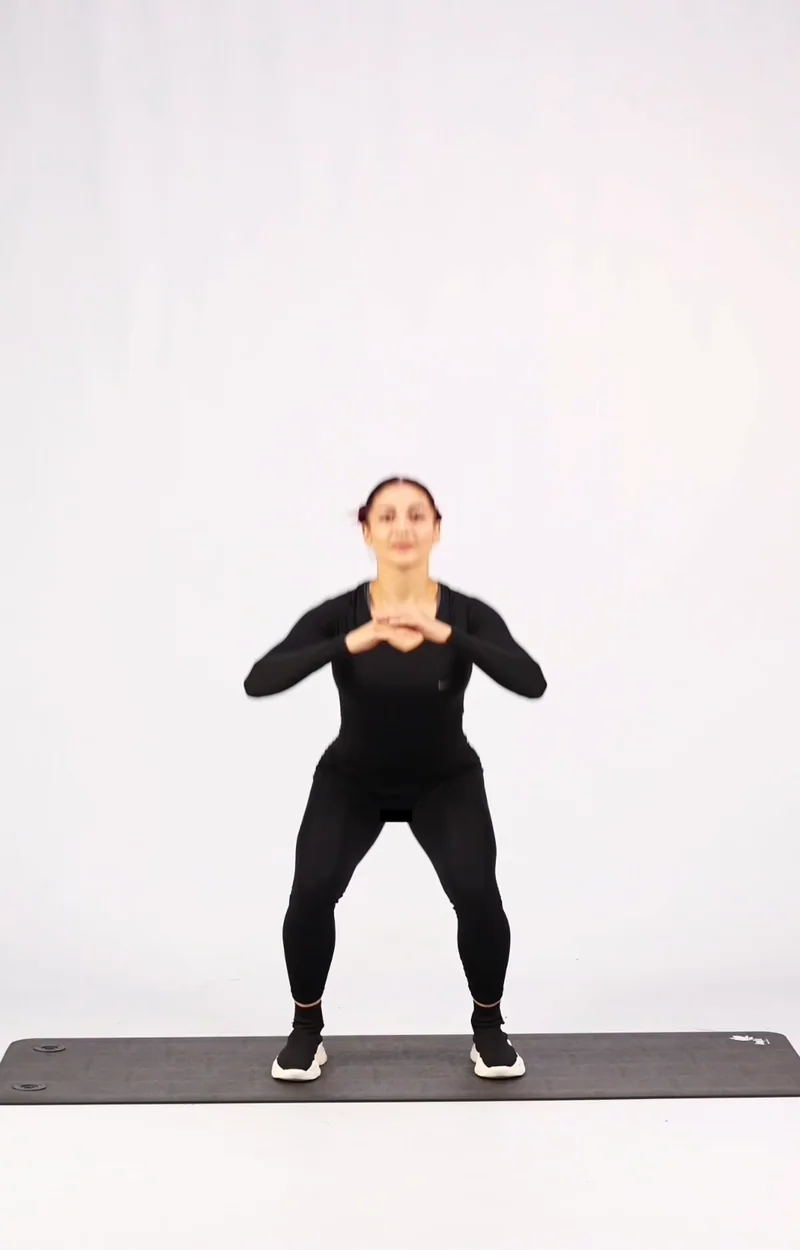
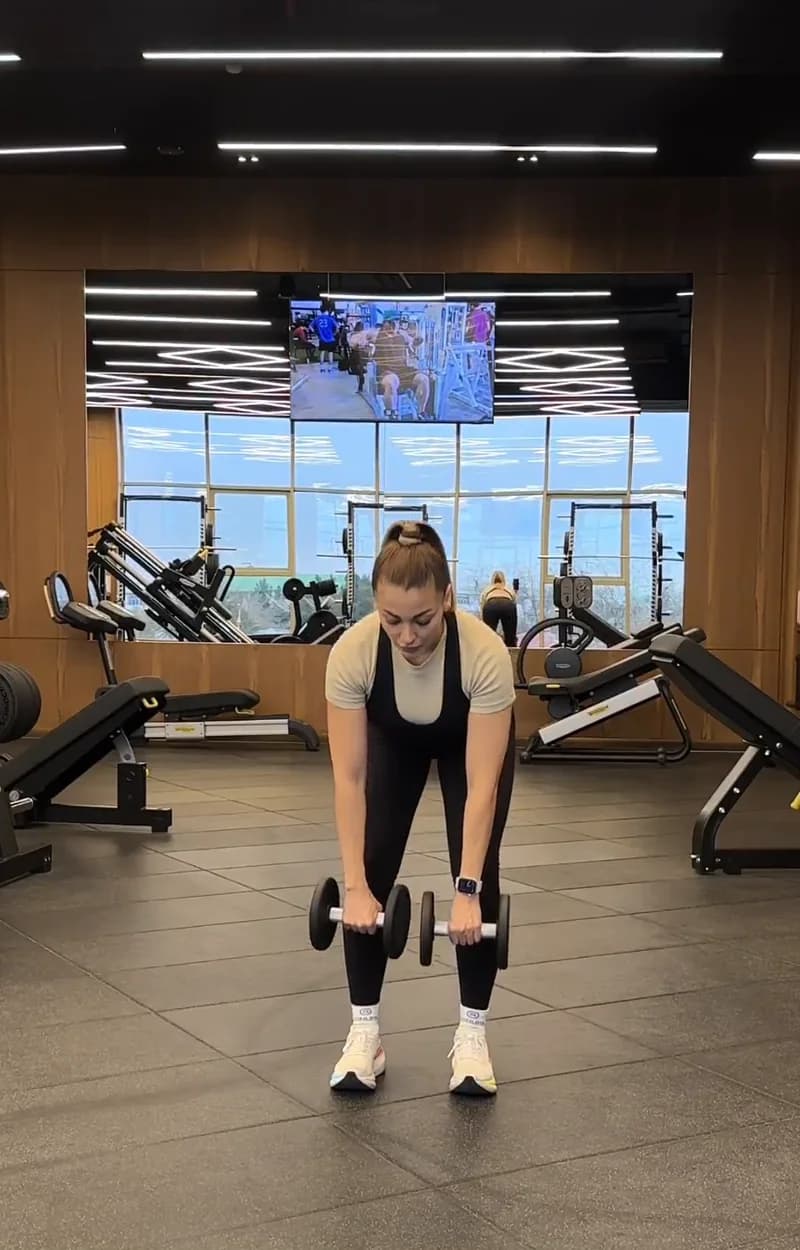
Compound strength 2–3×/week remains the core. Squats, deadlifts, presses, and rows. Load at 70–85% 1RM for bone-loading stimulus.
Add balance work to every session: single-leg stands, tandem walks, step-ups. Ten minutes per session dramatically reduces fall risk.
Include power training (faster concentric phases) at least once per week. Explosive force production declines faster than maximal strength and is more closely tied to fall prevention.
Recovery time increases — 48–72 hours between sessions targeting the same muscle groups is realistic. Two or three well-recovered sessions per week beat five mediocre ones.
Key takeaways
- Postmenopause is permanent — the musculoskeletal effects of estrogen loss compound year over year.
- Fall prevention (strength + balance + power) is the single highest-impact training priority.
- Women who start resistance training in their 60s still gain measurable bone and muscle.
- Two to three quality sessions per week, well-recovered, is the realistic sweet spot.
Frequently asked
Yes. Muscle protein synthesis still responds to resistance training at 60 and beyond. Progress is slower than at 30, but the adaptation is real and clinically significant for maintaining independence.
When progressed gradually with good form, heavy lifting is not only safe but necessary. The mechanical load is what stimulates bone remodeling — light weights do not produce the same effect.