Menopause and strength training: what changes and what to do about it
Menopause is not a disease — it is a hormonal transition that changes how your body responds to exercise. Here is what the evidence says about training through it.
Last updated
The short answer
How does menopause affect strength training? Menopause reduces estrogen by roughly 90%, which accelerates muscle protein breakdown, reduces bone formation, shifts fat storage to the abdomen, and impairs recovery. Strength training directly counters all four: mechanical loading stimulates bone remodeling, resistance exercise maintains lean mass, and the metabolic effect of muscle reduces visceral fat and insulin resistance.
Source: NAMS, Menopause 2023
What happens at menopause?
Menopause is defined retrospectively: 12 consecutive months without a menstrual period, median age 51. It marks the permanent end of ovarian estrogen and progesterone production. The transition (perimenopause) typically begins 4–8 years earlier with irregular cycles and fluctuating hormones.
Once established, menopause is permanent. Hormone therapy can replace some of what the ovaries no longer produce, but the metabolic and musculoskeletal effects of estrogen loss continue in the background unless actively countered with lifestyle interventions — primarily resistance training and adequate protein.
What does estrogen loss actually do to your body?
Bone: Estrogen suppresses osteoclast activity (the cells that break down bone). When it drops, resorption outpaces formation. Women can lose 2–3% of bone mineral density per year in the first 5–7 years after menopause.
Muscle: Estrogen supports satellite cell activation and muscle protein synthesis. Its decline shifts the balance toward net muscle protein breakdown, making it harder (but not impossible) to build and maintain lean mass.
Fat distribution: Estrogen favors subcutaneous fat storage on hips and thighs. Without it, the body defaults to visceral abdominal fat, which is metabolically active and drives insulin resistance.
Recovery: Estrogen has anti-inflammatory properties. Its loss increases systemic inflammation and delays tissue repair, meaning recovery between sessions takes longer.
How should training change at menopause?
The core principles — progressive overload, compound movements, adequate volume — do not change. What changes is the programming around them:
Recovery matters more. Plan at least one full rest day between sessions that load the same muscle groups. Sleep disruption is common in menopause; if sleep is poor, reduce volume or intensity for that session rather than skipping it.
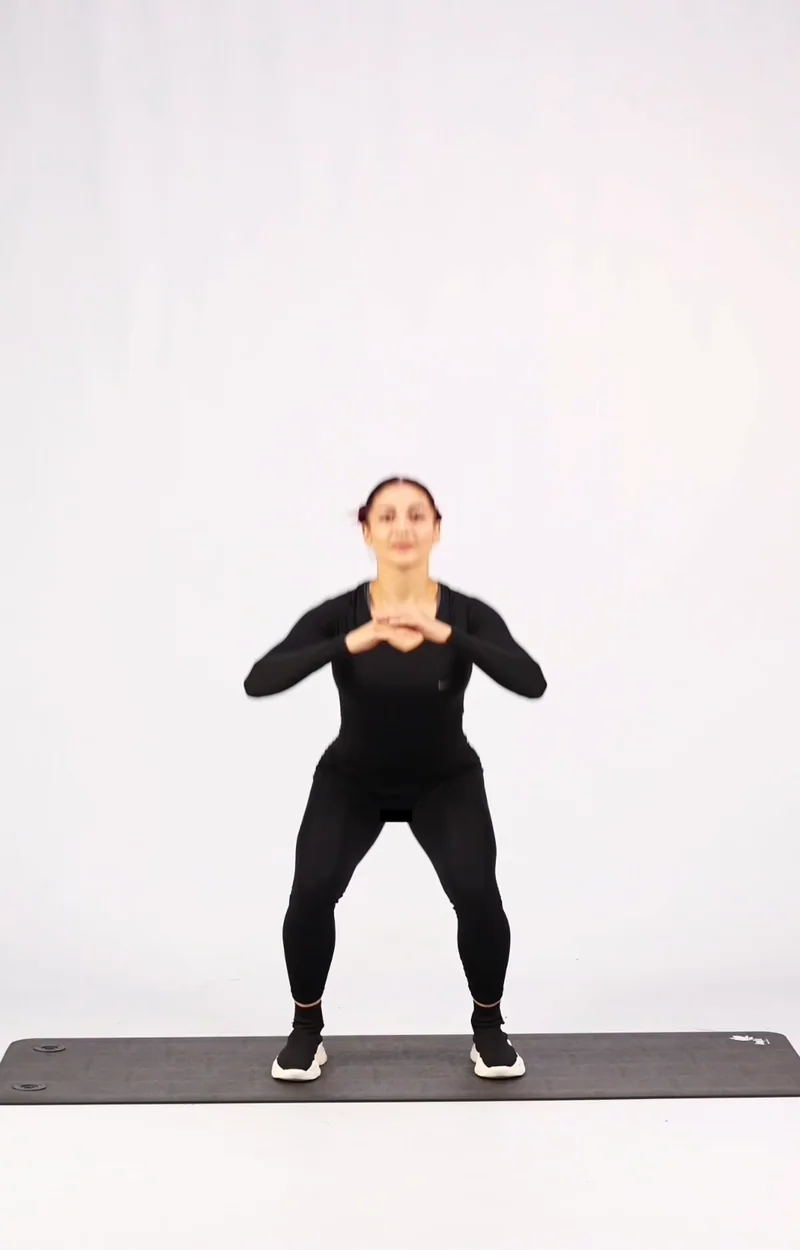
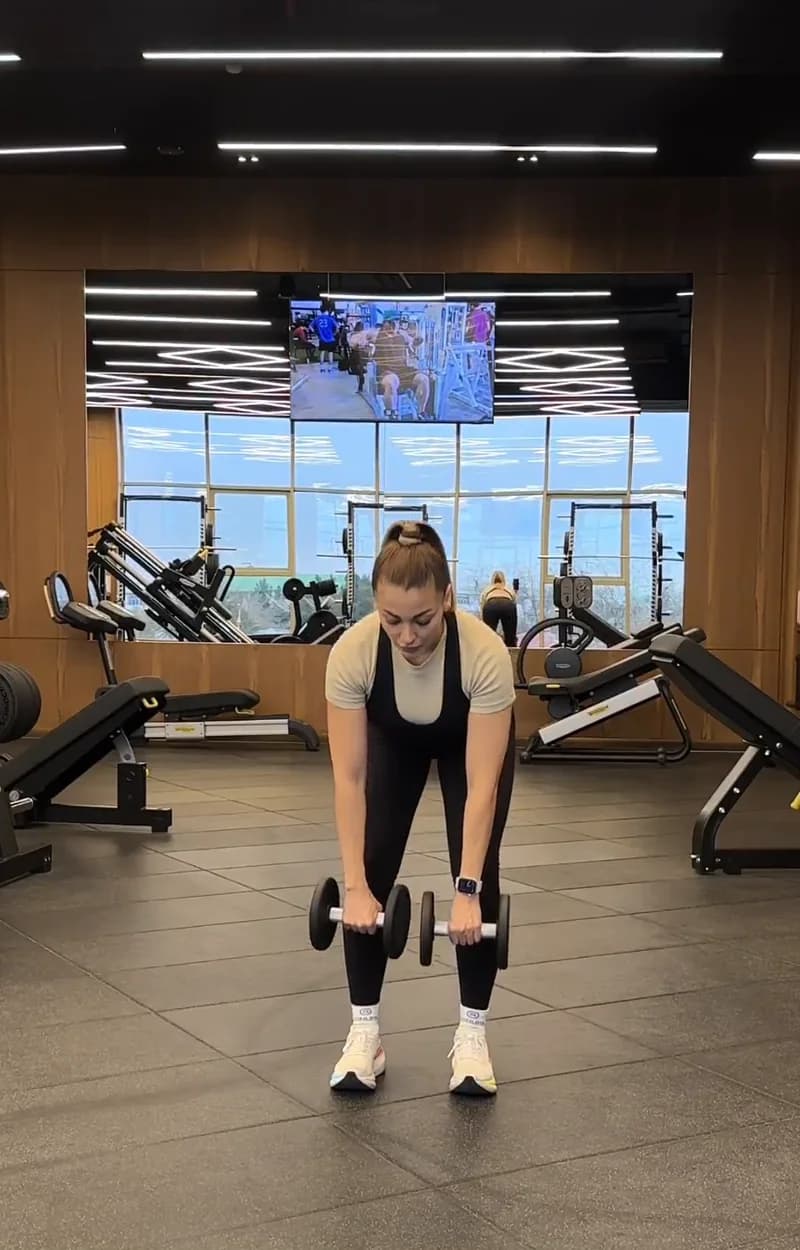
Prioritize heavy compound lifts for bone density: squats, deadlifts, presses, rows. These load the spine and hips — the two sites most vulnerable to fracture.
Keep protein high: 1.2–1.6 g/kg body weight per day, ideally 30–40 g per meal to hit the leucine threshold for muscle protein synthesis.
Don't fear intensity. Lifting at 70–85% of 1RM is safe and necessary for bone and muscle adaptation. Lifting light weights for many reps does not provide the mechanical stimulus bones need.
Key takeaways
- Menopause drops estrogen ~90%, accelerating bone loss, muscle loss, and visceral fat gain.
- Strength training is the top evidence-backed non-hormonal intervention for all three.
- Program for recovery: rest days matter more, protein needs increase, sleep quality is a training variable.
- Heavy compound lifts (70–85% 1RM) are necessary for bone adaptation — light weights won't cut it.
- Menopause is not a reason to train less; it is a reason to train smarter and more consistently.
Frequently asked
No. Women who begin resistance training in their 50s and 60s still gain significant bone density and lean mass. The adaptations are slower than in perimenopause but still clinically meaningful.
Excessive cardio without strength training can worsen the problem by raising cortisol and accelerating muscle loss. The most effective approach is 2–3 strength sessions per week plus daily walking (7,000–10,000 steps).
No. HRT helps with vasomotor symptoms and can slow bone loss, but it does not build muscle or reverse sarcopenia. Strength training and HRT are complementary, not interchangeable.