Bone density: how to measure it, why it falls, and how to build it back
Bone mineral density peaks around age 30, then declines — fastest through perimenopause. How it's measured, why it drops, and the training that reverses the trend.
Last updated
The short answer
How do I increase bone density in midlife? Heavy resistance training is the most reliable lever. 2 sessions per week of squats, deadlifts, presses, and rows at 70–85% of your 1RM has been shown in multiple trials to increase lumbar BMD by 1–2% in postmenopausal women over 12 months — meaningful protection against fracture. Adding a small amount of impact work (jumping, skipping) amplifies the effect at the hip.
Source: Kemmler et al, Osteoporosis International 2020
What is bone density and how is it measured?
Bone mineral density (BMD) is the amount of mineral content (mostly calcium and phosphorus) per unit area of bone tissue. The standard measurement is dual-energy X-ray absorptiometry (DEXA), which produces a T-score comparing your BMD to that of a healthy young adult of the same sex.
A T-score of 0 to −1 is normal. −1 to −2.5 is osteopenia (mild loss). Below −2.5 is osteoporosis (clinically significant loss, elevated fracture risk).
Why does it decline?
Bone is constantly being broken down (resorption, by osteoclasts) and built up (formation, by osteoblasts). The balance is hormonally regulated. Estrogen suppresses resorption, so as estrogen falls in perimenopause and menopause, the balance shifts toward net loss.
By 10 years postmenopause, an untreated woman has typically lost ~15% of her peak BMD. Most of that loss is concentrated in the first 5–7 years.
What rebuilds it?
Mechanical load. Bone responds to forces above its habitual loading threshold by laying down additional mineral. The interventions with the strongest evidence:
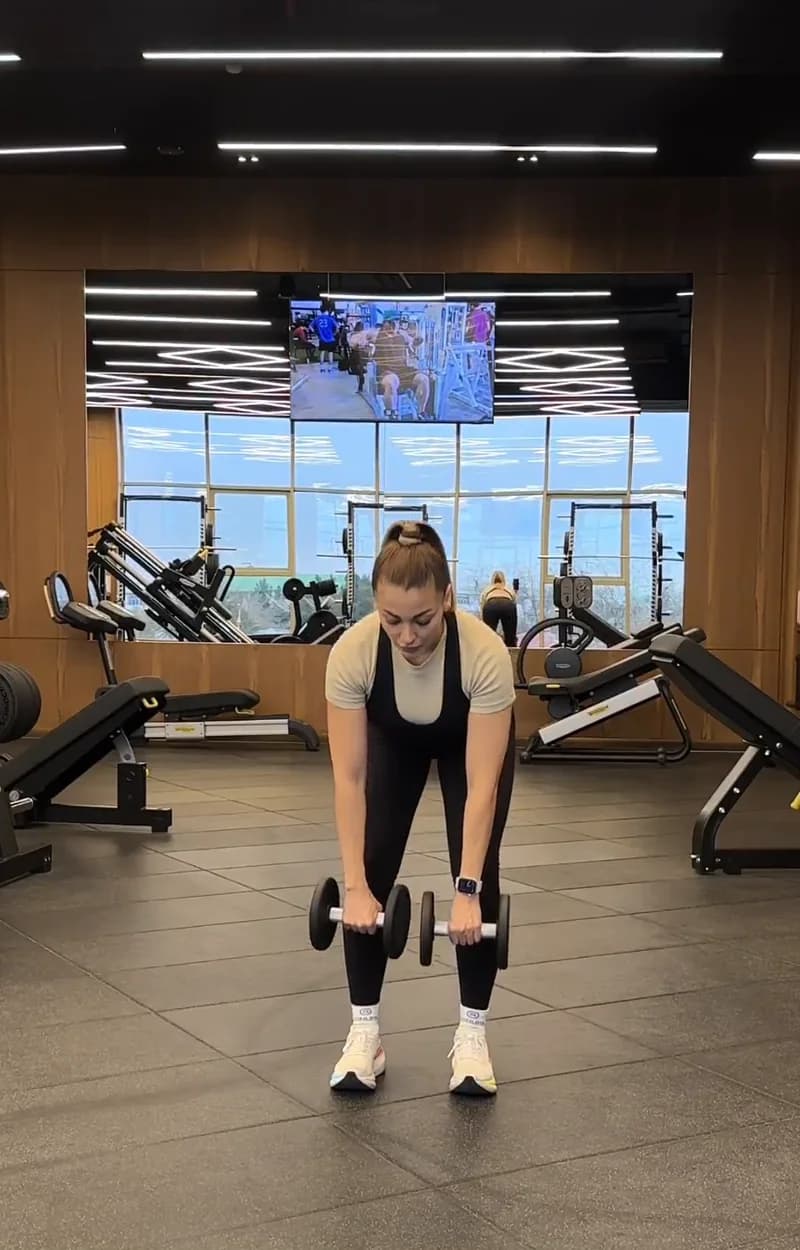
Heavy resistance training — squats, deadlifts, presses, rows at 70–85% of 1RM, 2x/week. Multiple trials show 1–2% BMD increases in postmenopausal women over 12 months.
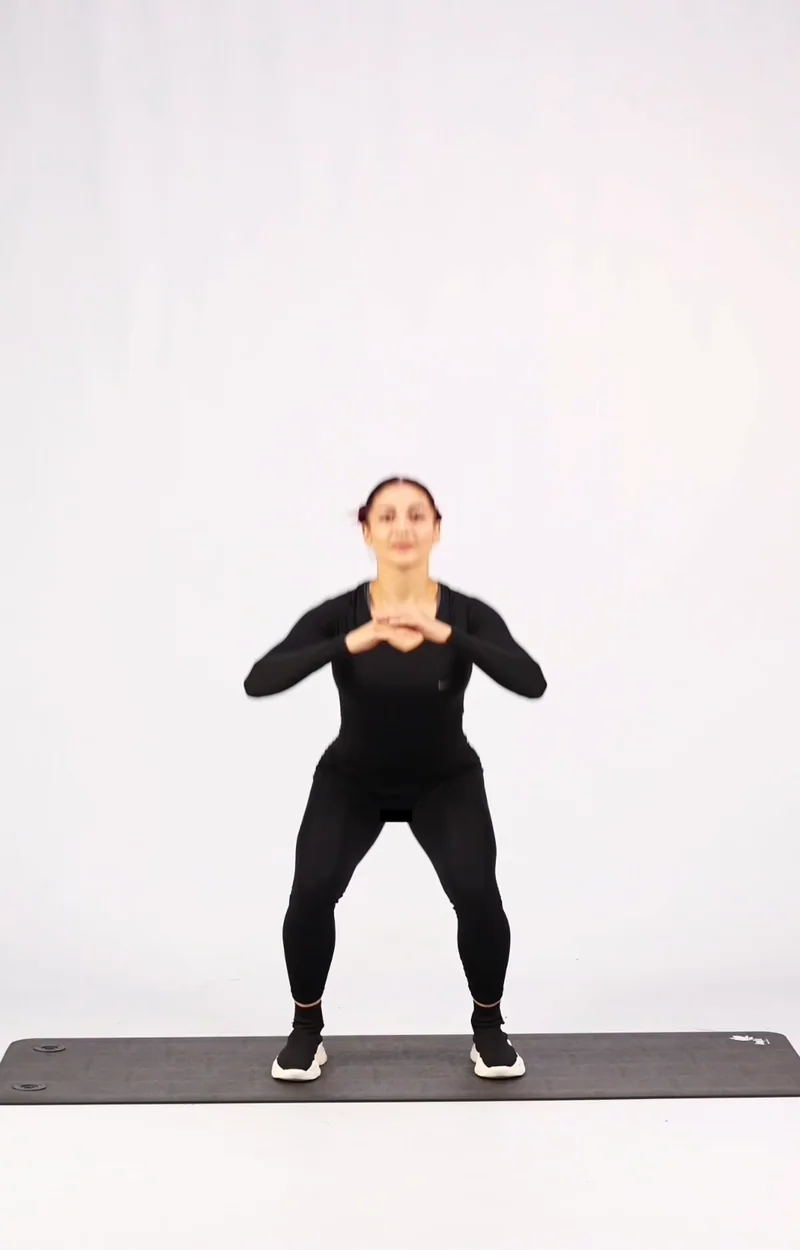
Impact loading — short bouts of jumping, skipping, or plyometric work. Adds hip-specific BMD stimulus that resistance training alone doesn't fully cover.
Adequate protein, calcium, vitamin D — the substrate for the building process.
Key takeaways
- Bone density peaks at ~30, plateaus, then declines — fastest in perimenopause.
- Heavy resistance training is the strongest non-pharmacologic lever to rebuild it.
- Walking is not enough. Bone needs loads above its habitual threshold to remodel.
- Adequate protein, calcium, and vitamin D are the foundation — get most calcium from food.
Frequently asked
Most guidelines say 65 for average-risk women, earlier if you have risk factors (family history, early menopause, smoking, low body weight). Perimenopause is a reasonable time to get a baseline — knowing where you start makes future trends actionable.
Yes. The bone adaptation response slows with age but remains active. Trials of women starting strength programs in their 60s and 70s show measurable BMD improvements within 12 months.