Sarcopenia: the muscle loss most women don't know they're fighting
Sarcopenia is age-related skeletal muscle loss — 3–5% per decade after 40, accelerating into menopause. It's reversible with resistance training. Here's the protocol.
Last updated
The short answer
What is sarcopenia and can I reverse it? Sarcopenia is the loss of skeletal muscle mass, strength, and function with age. It begins around 30, accelerates after 40, and is the primary driver of frailty in older adults. The good news: it's reversible at any age studied. Two to three resistance training sessions per week with moderate-to-heavy load is the single most effective intervention.
Source: Cruz-Jentoft et al (EWGSOP2), JAMDA 2019
What is sarcopenia?
Sarcopenia is the medical term for age-related loss of skeletal muscle mass and function. It was formally defined by the European Working Group on Sarcopenia (EWGSOP) in 2010 and revised in 2019 (EWGSOP2). The criteria: low muscle strength (primary), low muscle quantity or quality (confirming), and reduced physical performance (severe).
Most women in their 40s and 50s do not yet meet the formal clinical criteria for sarcopenia. The diagnosis is typically applied to people in their 70s and beyond. But the *trajectory* — the gradual, often unnoticed loss of muscle — begins in the 30s and steepens through the menopausal transition.
Why does it accelerate in midlife?
Two reasons. First, hormonal: the decline of estrogen, progesterone, and testosterone all reduce the anabolic signaling that muscle tissue relies on to maintain itself. Muscle protein synthesis becomes less responsive to the same amount of protein and the same exercise stimulus.
Second, behavioral: most adults stop the kind of mechanical loading that drives muscle adaptation around the time they leave organized sports. Walking is foundational but is not sufficient stimulus for skeletal muscle maintenance.
How do you reverse it?
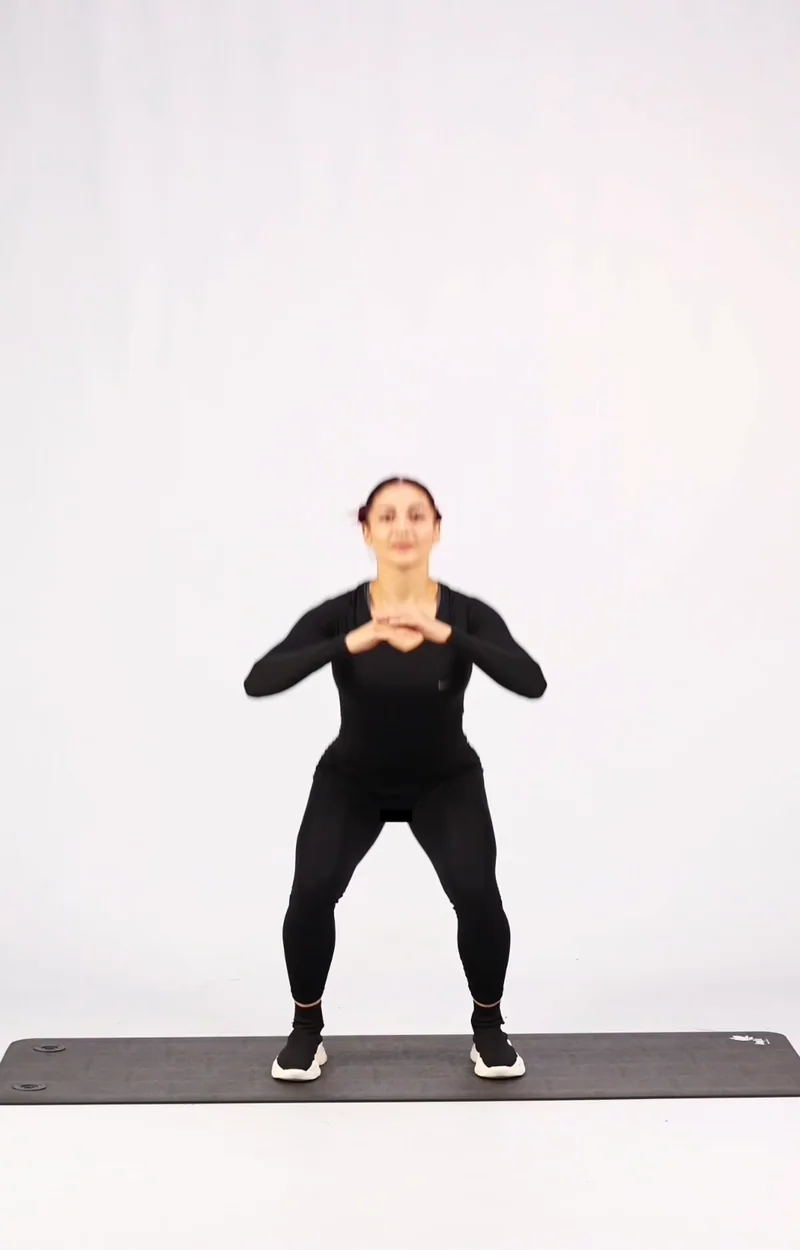
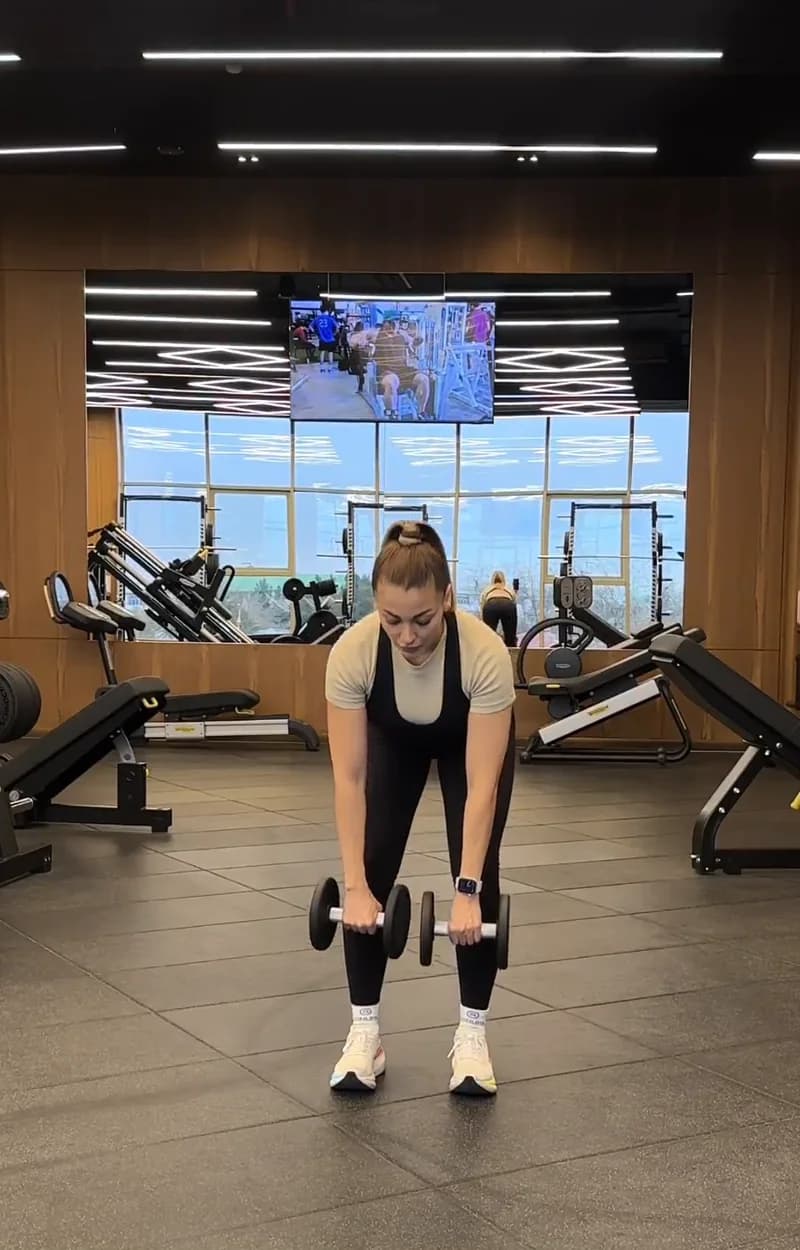
Resistance training is the only consistently effective intervention. The dose-response data show clearly: 2–3 sessions per week, compound movements covering all major muscle groups, moderate-to-heavy load (the last 2 reps of a set should be genuinely difficult).
Add adequate protein — 1.2–1.6 g per kg of body weight per day for women in this demographic — and sleep, and the body will rebuild muscle even into the 80s. Studies of nonagenarians starting strength programs show 100%+ gains in leg strength over 12 weeks.
Key takeaways
- Sarcopenia is the gradual loss of muscle mass and strength with age — it begins in your 30s.
- The trajectory accelerates through perimenopause and menopause.
- It is reversible at any age with progressive resistance training and adequate protein.
- Walking maintains baseline function but does not reverse sarcopenia. You need real load.
Frequently asked
Most women in their 40s and 50s have not yet hit clinical sarcopenia thresholds. Practical self-screen: can you stand from a chair without using your hands? Can you carry your own groceries up a flight of stairs without setting them down? Functional decline starts before clinical diagnosis.
In healthy adults, no — this is one of the most persistent myths in nutrition. The 0.8 g/kg RDA was set as the minimum to prevent deficiency, not as an upper bound for safety. Doses up to 2 g/kg show no renal harm in otherwise-healthy women.
Yes. Studies of adults starting strength training in their 70s, 80s, and even 90s show meaningful gains in muscle mass and strength within 12 weeks. The body retains its capacity to adapt; it just needs the stimulus.