Osteoporosis: prevention is a strength training conversation
Osteoporosis — low bone density and fracture risk — affects 1 in 3 women over 50. The most effective non-drug prevention is heavy resistance training. Here's the evidence.
Last updated
The short answer
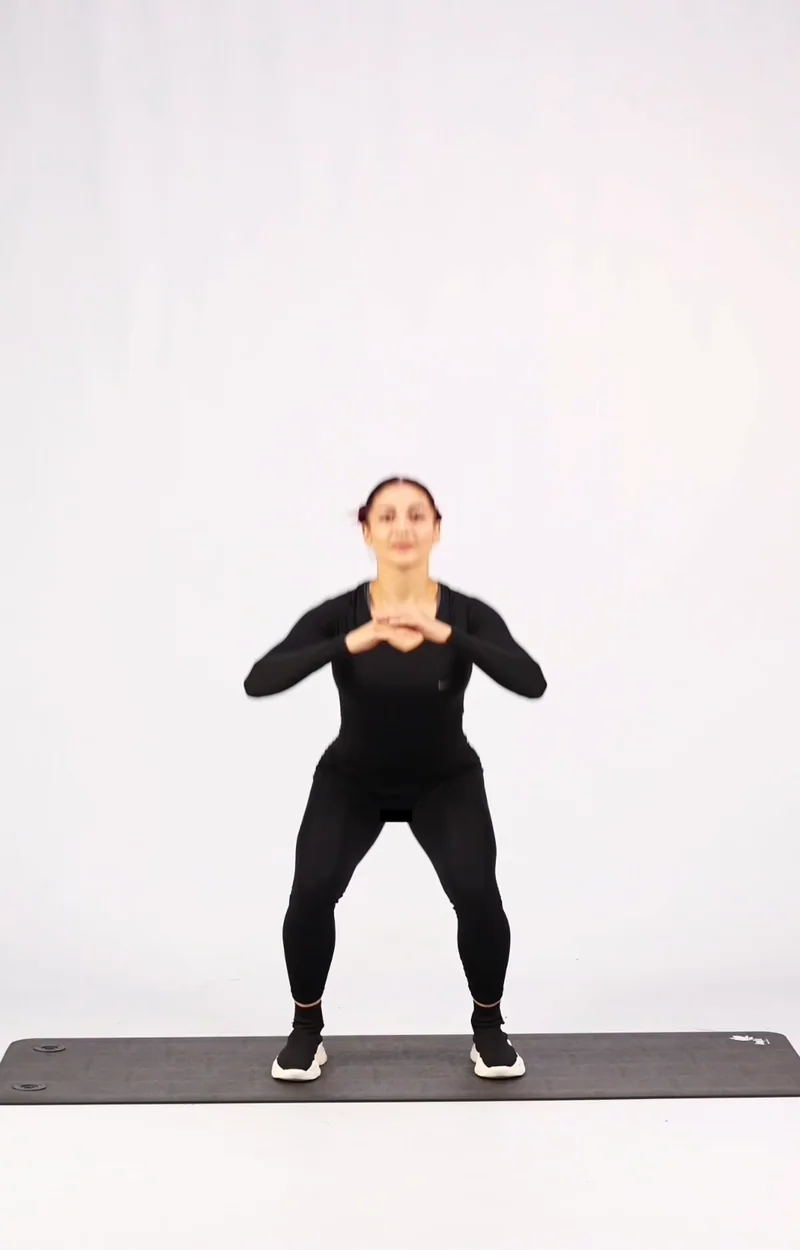
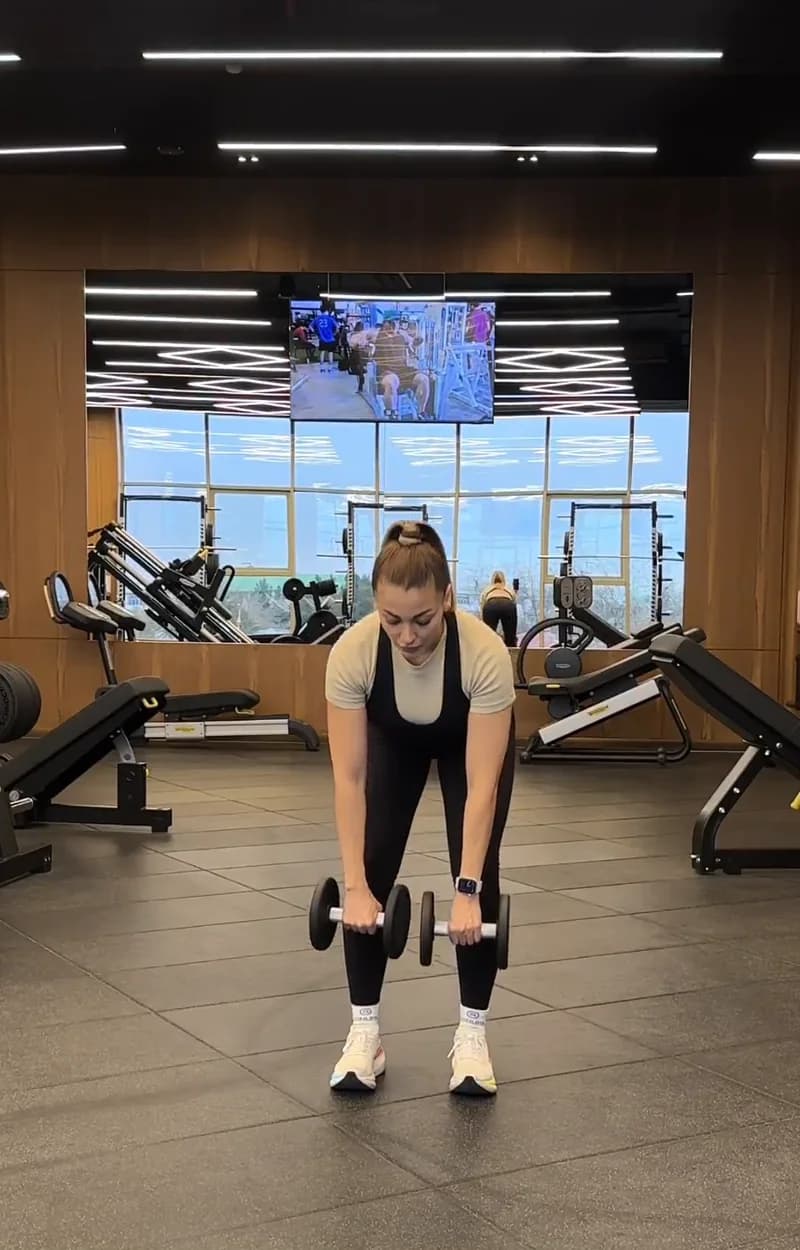
How do I prevent osteoporosis if I'm in perimenopause? The single most effective non-pharmacologic prevention is heavy resistance training — squats, deadlifts, presses — at 70–85% of your one-rep max, twice per week. Bone is a living tissue that adapts to mechanical load. Studies of postmenopausal women lifting heavy for 12 months show lumbar bone density increases of 1.2–1.8% — meaningful protection against fracture.
Source: Kemmler et al, Osteoporosis International 2020
What is osteoporosis?
Osteoporosis is a disease characterized by low bone mineral density (BMD), deteriorated bone tissue, and increased fracture risk. It is diagnosed clinically via DEXA scan, with a T-score of −2.5 or lower defining osteoporosis and −1.0 to −2.5 defining osteopenia (the precursor stage).
About one in three women over 50 in the United States will experience an osteoporotic fracture in their lifetime. Hip fractures in this population carry a one-year mortality rate of 20–30%. The disease is preventable; the consequences are not always reversible.
Why does perimenopause accelerate bone loss?
Estrogen is osteoprotective: it suppresses the activity of osteoclasts (the cells that break down bone) and supports the activity of osteoblasts (the cells that build it). As estrogen declines through perimenopause, the balance shifts toward bone resorption.
Bone density loss accelerates from a baseline of ~0.5% per year in premenopausal women to 1–3% per year in the early postmenopausal years. By 10 years past menopause, untreated women have lost an average 15% of their peak BMD.
What kind of training actually builds bone?
Bone responds to mechanical load — specifically, loads that exceed normal daily activity. The threshold matters. Walking alone, while excellent for general health, does not deliver enough load to drive significant BMD gains in adults.
What does work: resistance training with progressively heavier loads (squats, deadlifts, overhead presses), high-impact activity (jumping, skipping, plyometric work), and combined programs that include both. The 2020 Kemmler protocol — twice-weekly heavy lifting plus a small amount of impact work — increased lumbar BMD by 1.2–1.8% in postmenopausal women over 12 months, while controls lost density.
Key takeaways
- Osteoporosis affects 1 in 3 women over 50 in the US.
- Heavy resistance training is the most effective non-pharmacologic prevention.
- Walking is foundational but does not deliver bone-remodeling loads on its own.
- Combine resistance training with adequate calcium (from food), vitamin D, and protein.
Frequently asked
In most cases, yes — and lifting is one of the most studied interventions for slowing or reversing osteopenia. Talk to your clinician first, especially if you have a fracture history or other risk factors. Form matters, and starting with lower load and progressing under supervision is sensible.
Vitamin D (1000–2000 IU daily for most adults), calcium (preferably from food, ~1000–1200 mg/day), and adequate protein are the foundations. Calcium supplements have a mixed safety profile (some cardiovascular concerns) — get it from yogurt, sardines, leafy greens when possible.
Most guidelines recommend a baseline DEXA scan at age 65, earlier (around perimenopause) if you have risk factors: early menopause, family history of osteoporosis, smoking, long-term steroid use, low BMI.