Osteopenia: the bone-density warning window where exercise matters most
Osteopenia is the warning stage before osteoporosis. The right exercise — heavy, weight-bearing — can halt or reverse bone loss. Here is what the evidence says.
Last updated
The short answer
What is osteopenia? Osteopenia is a condition where bone mineral density is lower than normal but not yet low enough to be classified as osteoporosis. It is defined by a T-score between –1.0 and –2.5 on a DEXA scan. About half of women over 50 have osteopenia. The condition is reversible with heavy resistance training, weight-bearing exercise, and adequate calcium and vitamin D.
How is osteopenia different from osteoporosis?
Osteopenia and osteoporosis sit on a spectrum. A DEXA scan measures bone mineral density and assigns a T-score: normal is above –1.0, osteopenia is –1.0 to –2.5, and osteoporosis is below –2.5. Osteopenia is the warning window — bone is thinning but has not yet reached the fracture-risk threshold.
The critical point: osteopenia is the stage where intervention has the highest ROI. Once bone density crosses into osteoporosis, you are managing risk. In osteopenia, you can often reverse the trajectory.
Why does osteopenia happen in perimenopause?
Estrogen suppresses osteoclast activity (the cells that resorb bone). When estrogen declines in perimenopause and drops sharply at menopause, osteoclasts become overactive. Bone resorption outpaces bone formation, and density drops.
Women can lose 2–3% of bone mineral density per year in the first 5–7 years after menopause — enough to push many from normal density into osteopenia within a few years.
What exercises help osteopenia?
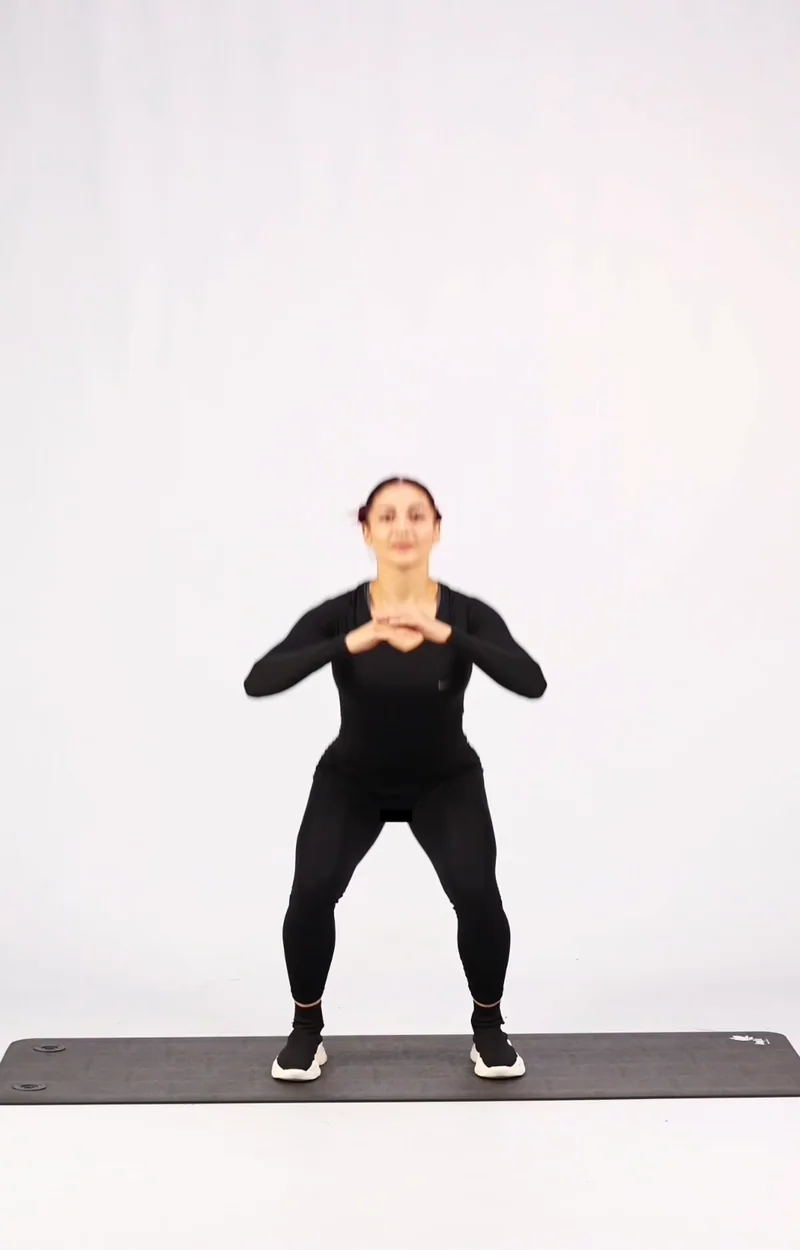
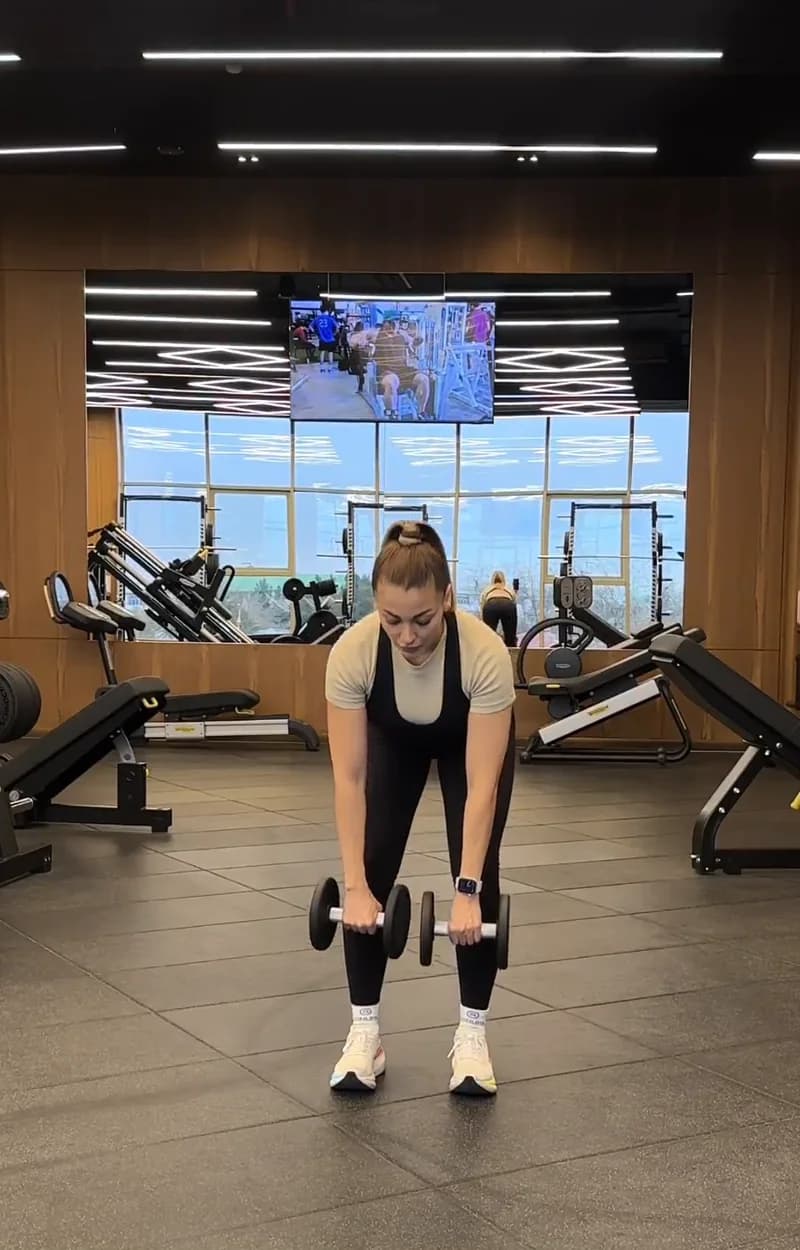
Heavy compound lifts are the gold standard: squats, deadlifts, lunges, overhead presses. These load the spine and hips directly — the two sites most vulnerable to osteoporotic fracture. Aim for 70–85% of 1RM.
Impact exercises — jumps, hops, step-downs — apply rapid force spikes that stimulate bone remodeling more effectively than slow, controlled movements alone.
What doesn't work: walking alone, light dumbbells, water aerobics. These are good for cardiovascular health but do not generate the mechanical load bones need to remodel.
Key takeaways
- Osteopenia is the window where exercise can reverse bone loss — don't wait for osteoporosis.
- Heavy compound lifts (squats, deadlifts, presses at 70–85% 1RM) are the evidence-backed intervention.
- Impact exercises (jumps, hops) add bone-building stimulus that steady-state exercise misses.
- Walking and light weights are not sufficient for bone remodeling — intensity matters.
Frequently asked
Yes, in many cases. Studies show that heavy resistance training 2–3 times per week can increase bone mineral density by 1–2% per year, which is enough to move from osteopenia back toward normal ranges.
Yes — with proper form and gradual progression. The mechanical load is what stimulates bone remodeling. Avoiding heavy loads is actually riskier long-term because it allows bone density to continue declining.