Pelvic floor and strength training: how to lift heavy without leaking
Pelvic floor dysfunction affects 1 in 3 women over 40. Here is how to strength train safely — and why lifting actually helps, not hurts, pelvic floor function.
Last updated
The short answer
Can you lift heavy with pelvic floor issues? Yes — with proper breathing and progressive loading. Research shows that women who strength train have stronger pelvic floors than sedentary controls. The key is learning to coordinate pelvic floor engagement with your brace-and-breathe pattern: exhale on exertion (the concentric phase), engage the pelvic floor as part of your core brace, and progress load gradually. Avoiding heavy lifting does not protect the pelvic floor — it weakens it.
What is the pelvic floor?
The pelvic floor is a sling of muscles spanning the base of the pelvis. It supports the bladder, uterus, and rectum, controls continence, and contributes to core stability. It works as part of the "pressure system" with the diaphragm, transverse abdominis, and multifidus.
In perimenopause, declining estrogen reduces the collagen content and elasticity of pelvic floor tissues. Combined with the mechanical demands of pregnancy, childbirth, and decades of gravity, this leads to dysfunction in roughly one-third of women over 40.
Does lifting heavy damage the pelvic floor?
This is one of the most persistent myths in women's fitness. The evidence says the opposite: women who perform regular resistance training have stronger pelvic floors than inactive women. The pelvic floor is a muscle — it responds to progressive overload just like your quads or glutes.
What damages the pelvic floor is poor breathing mechanics under load: holding your breath and bearing down (Valsalva maneuver) forces pressure downward onto the pelvic floor. Coordinated breathing — exhale on effort, engage the pelvic floor as part of your brace — directs pressure into the abdominal wall instead.
What exercises help?
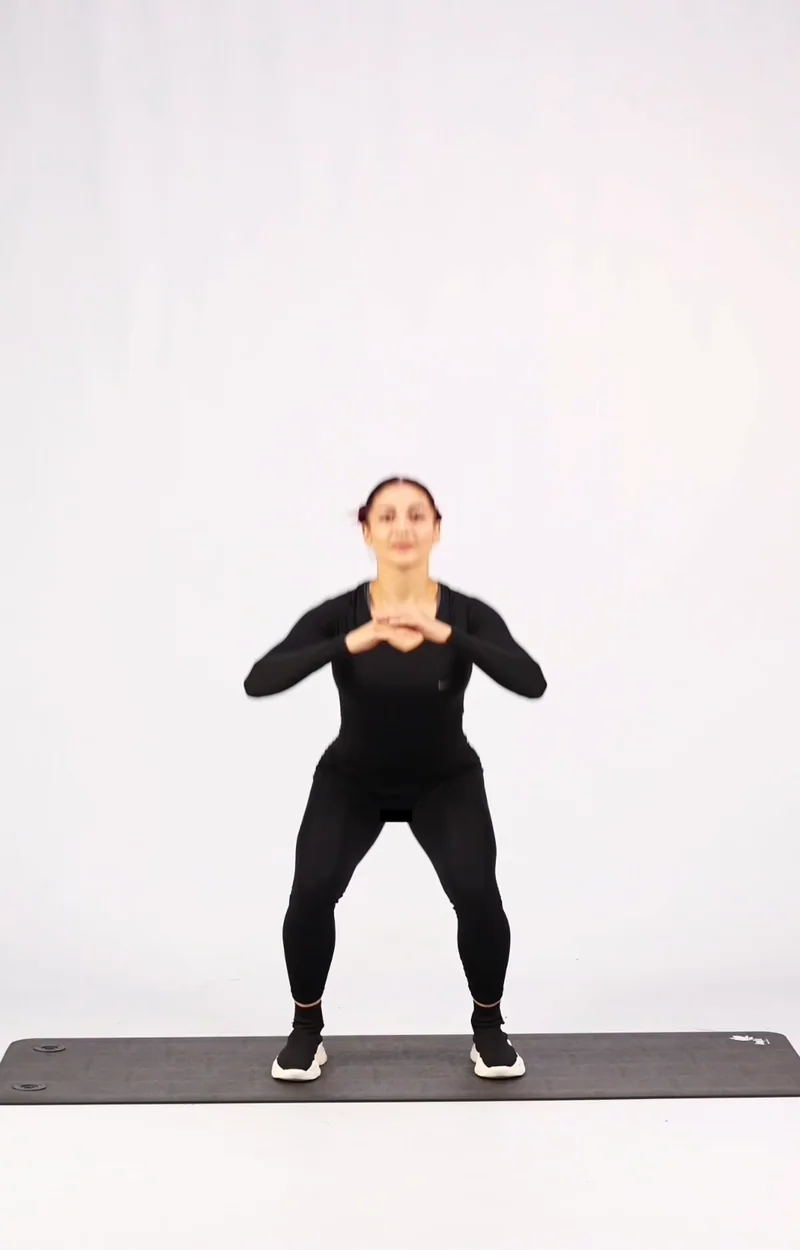
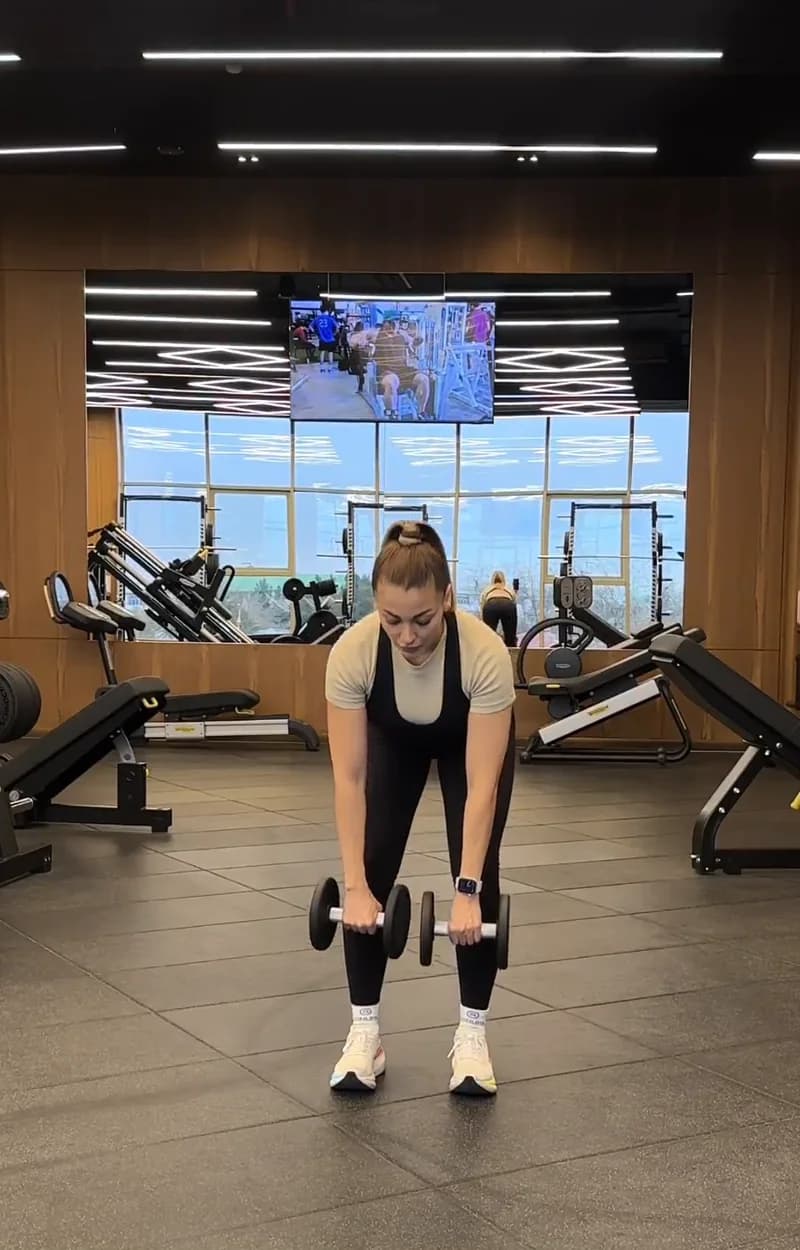
Compound lifts with proper bracing: squats, deadlifts, hip thrusts. These engage the entire core cylinder (including the pelvic floor) when performed with correct breathing.
Dedicated pelvic floor work: glute bridges with a squeeze, clamshells, bird-dogs. These strengthen the supporting musculature around the pelvic floor.
Kegels are a start, not the solution. Isolated pelvic floor contractions have their place, but they don't replicate the integrated demand of a loaded squat. Functional strength is built under functional load.
Key takeaways
- The pelvic floor is a muscle — it responds to progressive overload, not avoidance.
- Heavy lifting with proper breathing strengthens the pelvic floor; avoiding it weakens it.
- Coordinate breathing: exhale on effort, engage the pelvic floor as part of your core brace.
- Kegels are a supplement, not a substitute, for compound strength training.
Frequently asked
No — but you should modify. Reduce the load to a weight where you can maintain your brace without leaking, work on breathing mechanics, and progress back up gradually. Consider seeing a pelvic floor physical therapist for assessment.
Kegels are a useful starting point, especially if you cannot yet engage your pelvic floor voluntarily. But they don't replicate the demands of loaded movement. Compound lifts with integrated pelvic floor engagement are more effective for functional strength.